Date: 2014
Type: Article
Summary: A piece I wrote for a university seminar on the history of post-WWII Okinawa. The original is no longer available via the project site.
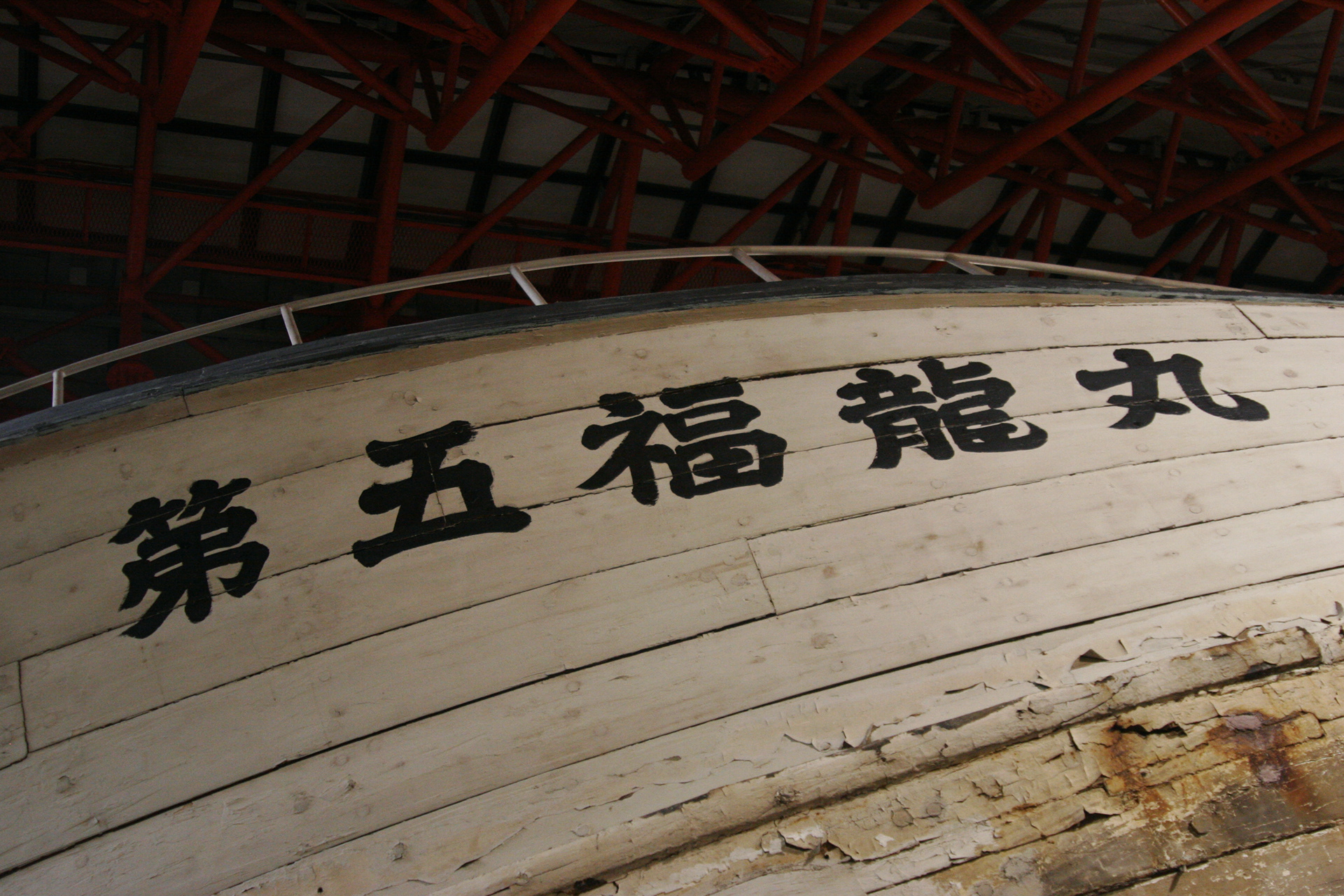
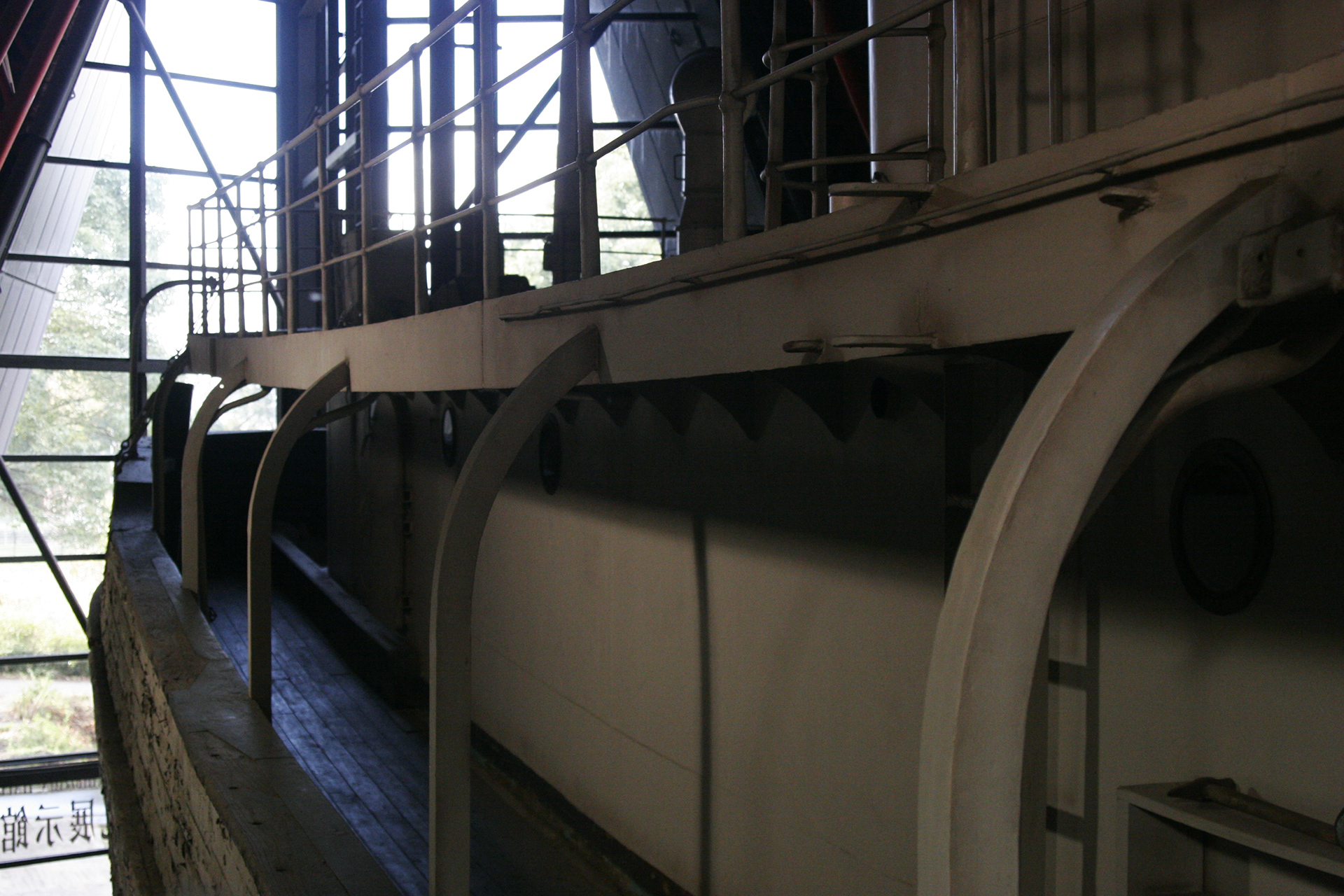
Some of the sailors on board the fishing boat Lucky Dragon 5 on March 1, 1954, were old enough to remember World War II, so they didn’t radio back to the mainland when the American planes roared overhead. Unobtrusive fishing boats just like theirs had been Japan’s scouts, the first line of defense against incoming American attacks. Although they lacked guns of any kind, their distance from the center of imperial Japanese power meant that they were perfectly situated to call in a warning whenever they saw their enemies. It would have been perfect, except that the planes would intercept their signals and subsequently bomb the fishing boats.
So when the planes came back, a decade after the war ended, the radioman of the Lucky Dragon 5 remembered, and stayed silent.
That morning, the sun rose in the west. Eight minutes later, they felt the shockwave. Shortly after that, the dust began to fall.
The kilometers-long fishing lines took all night to send out. It was a sign of desperation that the fishermen made the call to reel the lines in again and set sail for their home port. They didn’t know what was going on, but they were anxious to avoid becoming a part of history repeating itself. They left the dust, gritty and tasteless, where it fell as they sailed back.
A few days into their two-week journey, they began to feel queasy. But they were sailors, who would never admit to seasickness, so they kept quiet.
It was harder to deny that something was wrong when their skin mysteriously began to sprout burns and their hair began to fall out. The doctors in Tokyo had never seen anything like it, so they were at a loss how to treat it. The United States sent doctors to aid their now-allies in the face of the new disease, although the fishermen refused their treatment after the American government suggested that the Lucky Dragon 5 had actually been a Soviet spy vessel.
The radioman who had kept his silence, Aikichi Kuboyama, had the dubious honor of being the first person to die as a result of Operation Castle Bravo. He was forty years old. His last words were “I pray that I am the last victim of an atomic or hydrogen bomb.”
Unfortunately, that wish was not to come true.